ECOSCITEC INNOVATIONS
DECARBONISATION
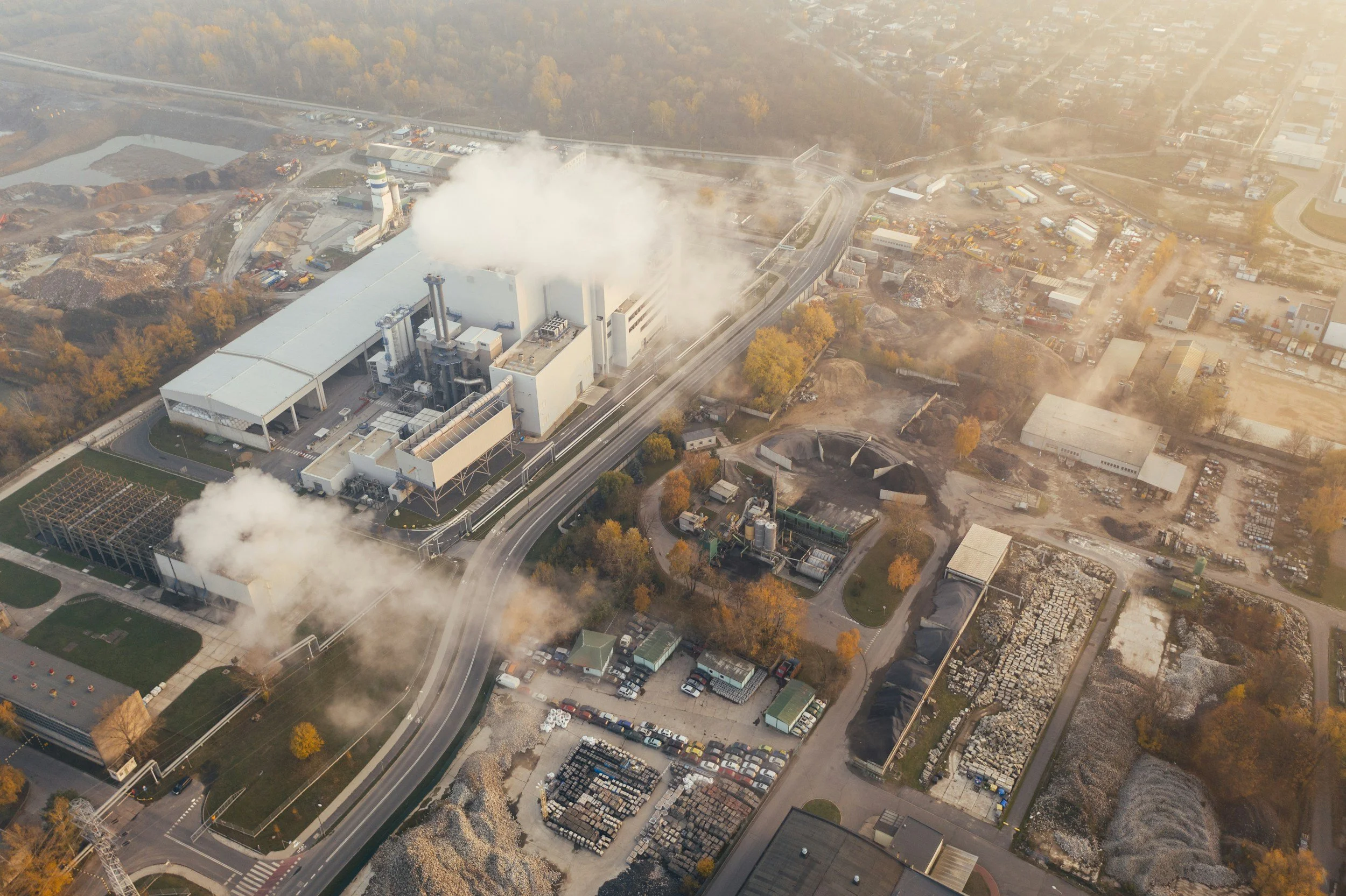
Decarbonising the World’s Building Products signifies a transformative endeavour aimed at reducing the carbon footprint associated with construction materials on a global scale. This ambitious pursuit hinges on harnessing the power of science, innovation, and technology to revolutionise the way buildings are constructed, laying the groundwork for a sustainable future.
DECARBONISING THE WORLD’S BUILDING PRODUCTS
At its core, decarbonisation entails minimising or eliminating the release of carbon dioxide and other greenhouse gases into the atmosphere. In the context of building products, this entails reimagining traditional materials and manufacturing processes to prioritise environmental responsibility without compromising functionality or structural integrity.


SCIENCE AS FOUNDATON
Science serves as the foundation of this endeavour, providing the empirical knowledge and understanding necessary to identify the most effective strategies for reducing carbon emissions. Researchers delve into the intricacies of material science, chemistry, and environmental engineering to develop innovative solutions that mitigate the environmental impact of building products.

DRIVING PROGRESS THROUGH INNOVATION
Innovation plays a pivotal role in driving progress towards decarbonisation. It involves thinking outside the box, challenging conventional wisdom, and exploring unconventional approaches to address complex challenges. From advanced materials that sequester carbon to novel construction techniques that minimise waste, innovation fuels the development of cutting-edge solutions that push the boundaries of what's possible in sustainable construction.

SUSTAINABLE BUILDING INNOVATION
Together, science, innovation, and technology form a powerful trifecta that propels the decarbonisation of building products forward. By harnessing their collective potential, stakeholders can drive meaningful progress towards a more sustainable built environment.

BUILDING CARBON SOLUTIONS
Decarbonising building products is not just a lofty goal—it's an imperative in the face of climate change. Buildings are responsible for a significant portion of global carbon emissions, making them a key focus area for mitigation efforts. By reimagining the materials and methods used in construction, we can dramatically reduce the carbon footprint of the built environment while simultaneously enhancing resilience and promoting a healthier planet.
TECHNOLOGY AS CATALYST
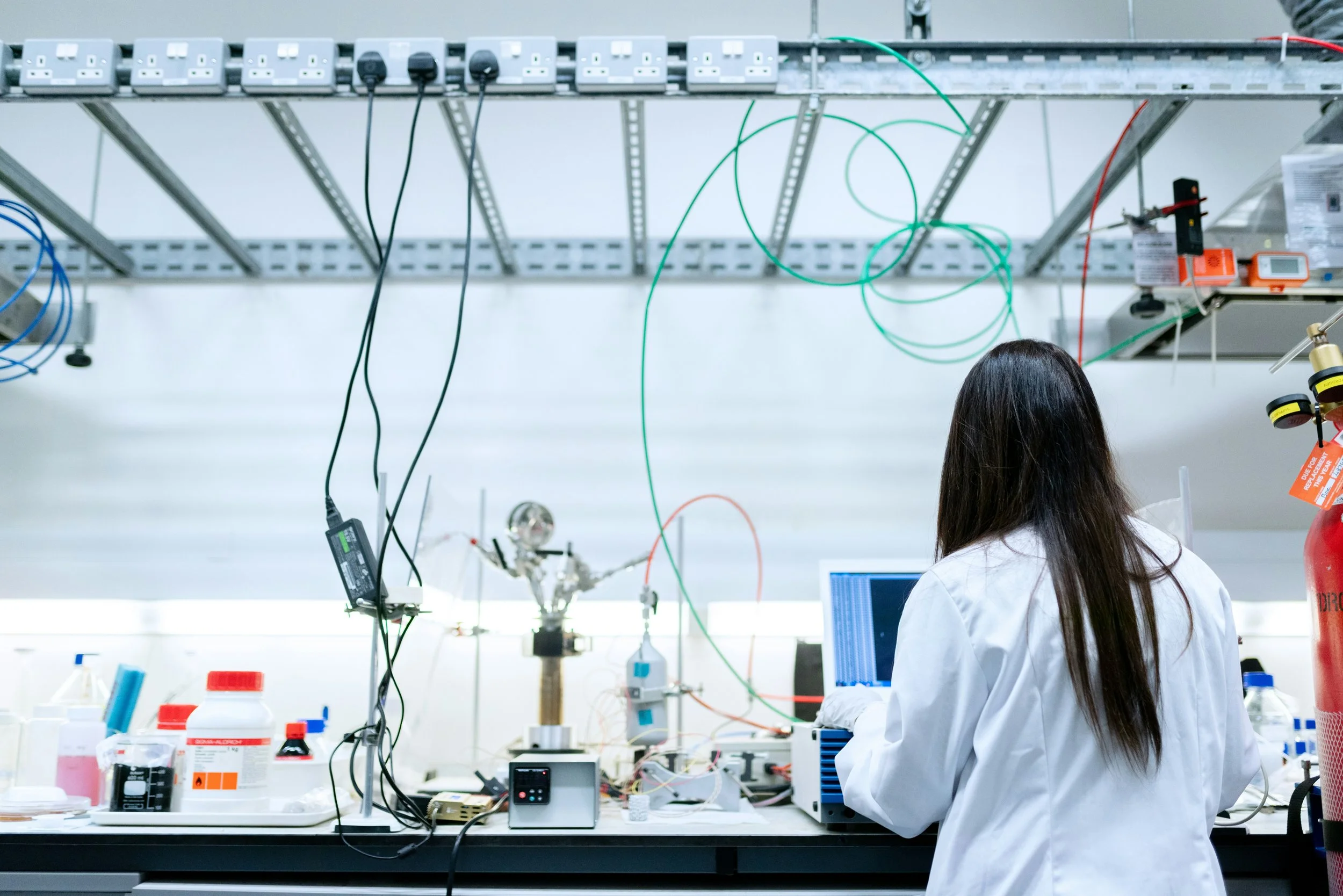
Technology acts as a catalyst for change, empowering stakeholders across the construction industry to adopt more sustainable practices. From digital design tools that optimise material usage to automated manufacturing processes that minimise energy consumption, technology offers a myriad of opportunities to streamline operations and reduce environmental impact. EcoSciTec Innovations focuses on its international exposure and global approach to address the growing demand for sustainable construction solutions. Our patented technologies, grounded in the principles of using waste and byproducts, continue to revolutionise the industry, offering superior performance while minimising environmental impact. As we expand our reach, we remain dedicated to pushing the boundaries of science and innovation to build a better, more sustainable world.
WASTE AND BYPRODUCTS AS FEEDSTOCKS
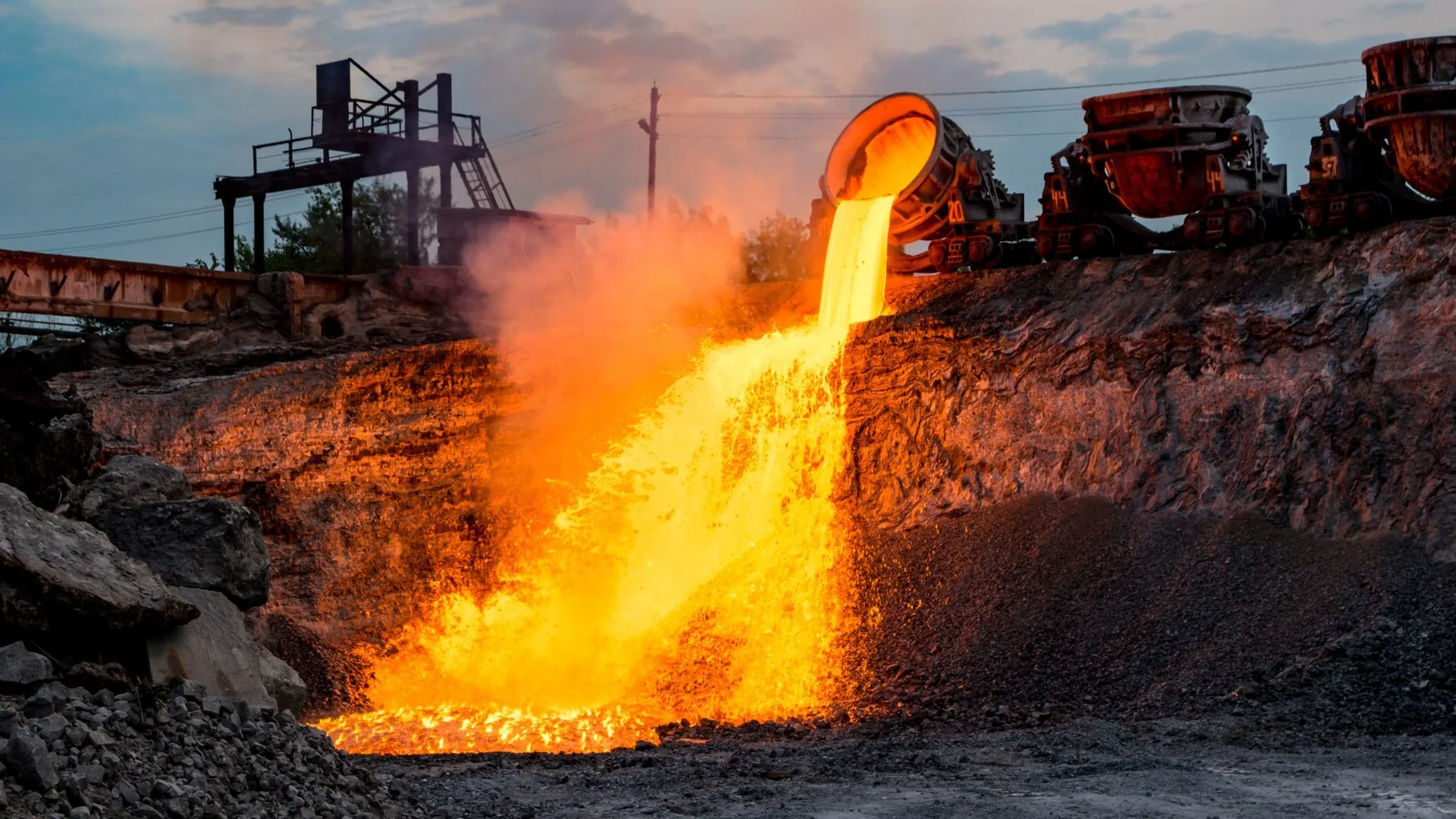
Utilising waste and manufacturing byproducts as feedstocks is crucial in reducing embodied carbon, thereby contributing to a more sustainable and eco-friendly industrial ecosystem. By repurposing waste materials such as fly ash from coal plants, slag from steel production, and recycled concrete aggregates, we can significantly lower the carbon footprint associated with traditional raw materials extraction and processing. This practice not only minimises landfill waste but also conserves natural resources, fostering a circular economy. Industries like construction, manufacturing, and energy production benefit immensely from this approach, as it promotes the efficient use of resources and supports the development of innovative, low-carbon technologies. Embracing such sustainable practices is essential for mitigating climate change and ensuring a greener future for generations to come.

BUILDING A SUSTAINABLE FUTURE
However, achieving meaningful decarbonisation requires a concerted effort from all stakeholders involved in the construction industry. Governments must implement policies that incentivise sustainable practices and regulate carbon emissions. Industry leaders must invest in research and development to drive innovation and bring sustainable technologies to market. Architects, engineers, and builders must embrace sustainable design principles and adopt eco-friendly materials and construction methods.
Ultimately, decarbonising building products is a collective endeavour that requires collaboration, creativity, and commitment. By leveraging science, innovation, and technology, we can pave the way towards a future where buildings are not just structures, but symbols of sustainability and stewardship of the planet.

PARIS AGREEMENT TARGETS AND GLOBAL PROGRESS
The Paris Agreement is a landmark international accord adopted in 2015 during the 21st Conference of the Parties (COP21) of the United Nations Framework Convention on Climate Change (UNFCCC). Its main goal is to limit global warming to well below 2°C, preferably to 1.5°C, compared to pre-industrial levels. This is to be achieved through nationally determined contributions (NDCs) that are set and periodically updated by each participating country.
-
As of now, 196 countries have signed the Paris Agreement, and 189 of them have ratified it. This global participation underscores the universal recognition of the urgent need to combat climate change. Some of the key participants include:
United States: Rejoined the agreement in 2021 with a commitment to reduce greenhouse gas emissions by 50-52% below 2005 levels by 2030.
European Union: Committed to a 55% reduction in greenhouse gas emissions by 2030 and achieving climate neutrality by 2050.
China: Aims to peak its carbon emissions before 2030 and achieve carbon neutrality by 2060.
India: Committed to reducing the emissions intensity of its GDP by 33-35% from 2005 levels by 2030.
Australia: Committed to a 43% reduction in greenhouse gas emissions below 2005 levels by 2030 and achieving net-zero emissions by 2050.
Brazil: Targets a 37% reduction in greenhouse gas emissions by 2025 and a 43% reduction by 2030, relative to 2005 levels.
-
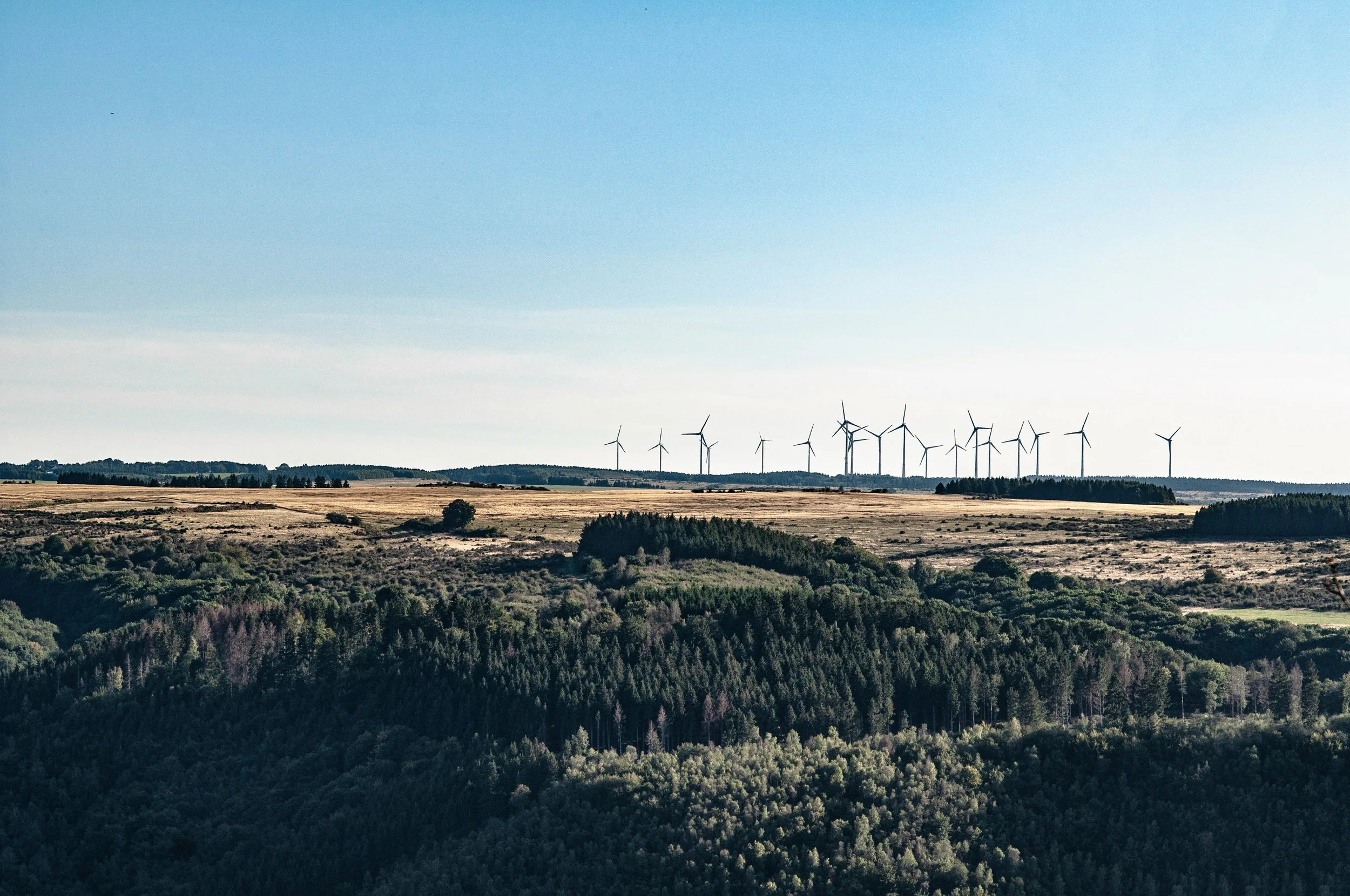
Europe: Has been at the forefront of climate action, with the European Union's Green Deal aiming for a climate-neutral continent by 2050. The EU has implemented stringent policies on renewable energy, energy efficiency, and emissions trading to meet its ambitious targets. Many European countries, such as Germany and Denmark, are leading in renewable energy adoption, particularly wind and solar power.
North America: The United States, after rejoining the Paris Agreement, has set forth an aggressive climate agenda with significant investments in clean energy and infrastructure. Canada has also pledged to reduce its emissions by 40-45% below 2005 levels by 2030 and is focusing on phasing out coal power.
Asia: China, as the world's largest emitter, has made substantial progress in renewable energy deployment, particularly in solar and wind power. India is also ramping up its renewable energy capacity and has one of the world's largest solar power programs. Japan aims to achieve carbon neutrality by 2050 and is investing heavily in green technologies.
Australia: Has shown a growing commitment to climate action, with a focus on transitioning to renewable energy sources such as solar and wind power. The country is also investing in hydrogen as a clean energy solution and enhancing its climate resilience through policies aimed at reducing emissions across various sectors.
Latin America: Countries like Brazil and Chile are making strides in renewable energy, with significant investments in wind and solar power. Brazil's efforts also include protecting the Amazon rainforest, which plays a crucial role in global carbon sequestration.
Africa: African nations, while facing significant developmental challenges, are increasingly focusing on sustainable development. Countries like Kenya and South Africa are investing in renewable energy projects, and regional cooperation is enhancing climate resilience.
-
While significant progress has been made, challenges remain in achieving the Paris Agreement targets. These include technological barriers, financial constraints, and political hurdles. However, the transition to a low-carbon economy also presents opportunities for innovation, job creation, and sustainable development.
The Paris Agreement represents a critical framework for global climate action. With concerted efforts and international cooperation, the world can move towards a sustainable and resilient future, meeting the targets set to combat climate change.